
SEO is entering a new era.
In 2026, search is no longer just about ranking web pages. It’s about how content is understood, trusted, and reused across AI-powered search engines, social platforms, and generative systems. Traditional SEO tactics still matter — but they’re no longer enough on their own.
Search engines are evolving into discovery engines. AI assistants summarize content, answer questions directly, and recommend sources based on clarity, credibility, and relevance — not just keyword placement.
This article breaks down the most important SEO shifts expected in 2026 and what brands, creators, and businesses should focus on to stay visible in a rapidly changing search landscape.
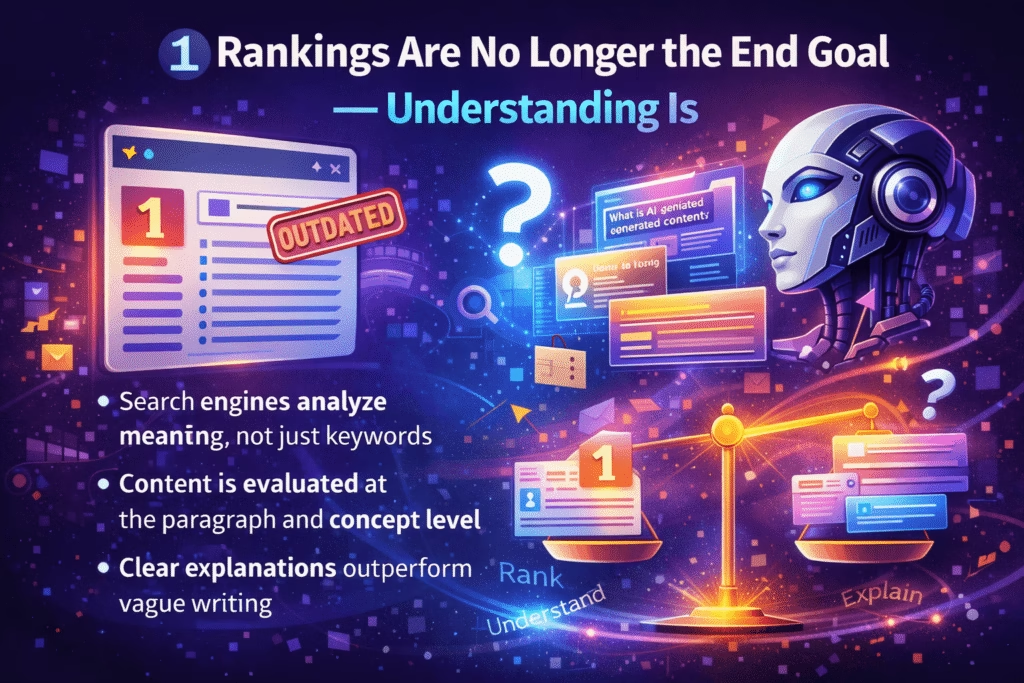
1️⃣ Rankings Are No Longer the End Goal — Understanding Is
For years, SEO success was measured by one primary metric: rankings.
In 2026, rankings still exist — but they are no longer the only indicator of visibility. Many users now get answers without clicking a single result. AI-powered search systems extract information, summarize insights, and present responses directly.
That means content doesn’t just need to rank — it needs to be understood.
What’s changing
- Search engines analyze meaning, not just keywords
- Content is evaluated at the paragraph and concept level
- Clear explanations outperform vague or overly optimized writing
A page may never appear as a traditional search result and still be used as a trusted source inside AI-generated answers.
What this means for content creators
Content must:
- Clearly explain topics
- Answer real questions directly
- Avoid unnecessary jargon
- Be structured for easy comprehension
SEO in 2026 favors clarity over cleverness.
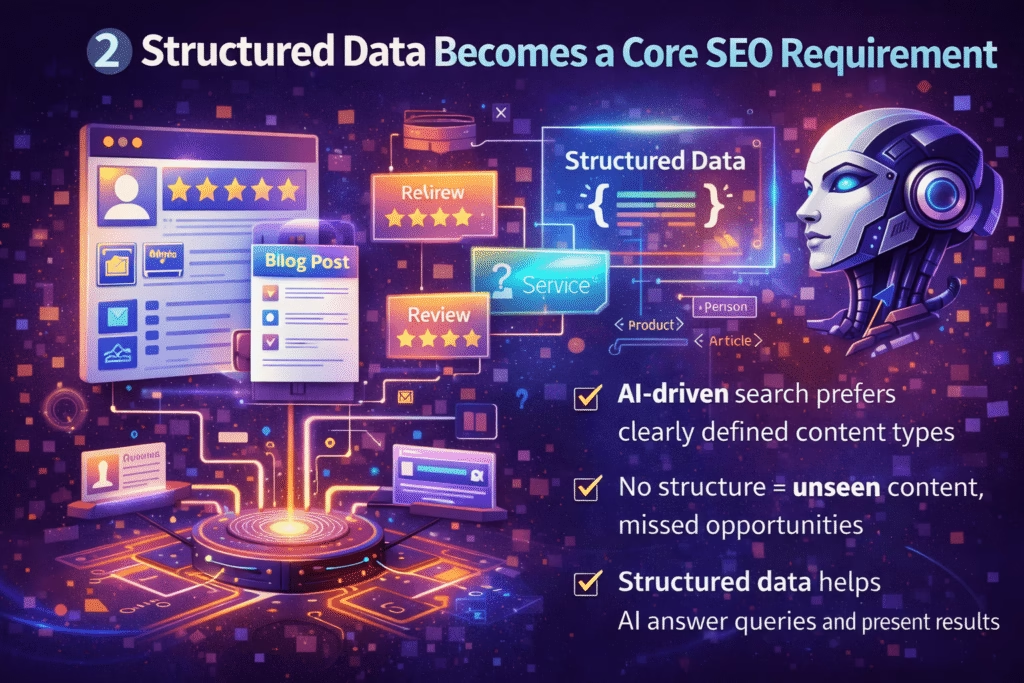
2️⃣ Structured Data Becomes a Core SEO Requirement
Structured data is no longer optional.
In 2026, structured data acts as a communication layer between websites and AI systems. It helps machines understand what a page represents, who created it, and how it should be interpreted.
Without structure, even high-quality content can be ignored.
Why structured data matters more now
AI-driven search systems:
- Prefer clearly defined content types
- Avoid guessing when metadata is missing
- Prioritize trusted, well-structured sources
Structured data improves visibility in:
- AI-generated answers
- Rich search results
- Knowledge panels
- Voice search responses
Key areas to structure
- Blog posts and articles
- Services and offerings
- Portfolios and case studies
- Reviews and testimonials
- Business and author information
Clear structure increases discoverability — even when traditional rankings decline.
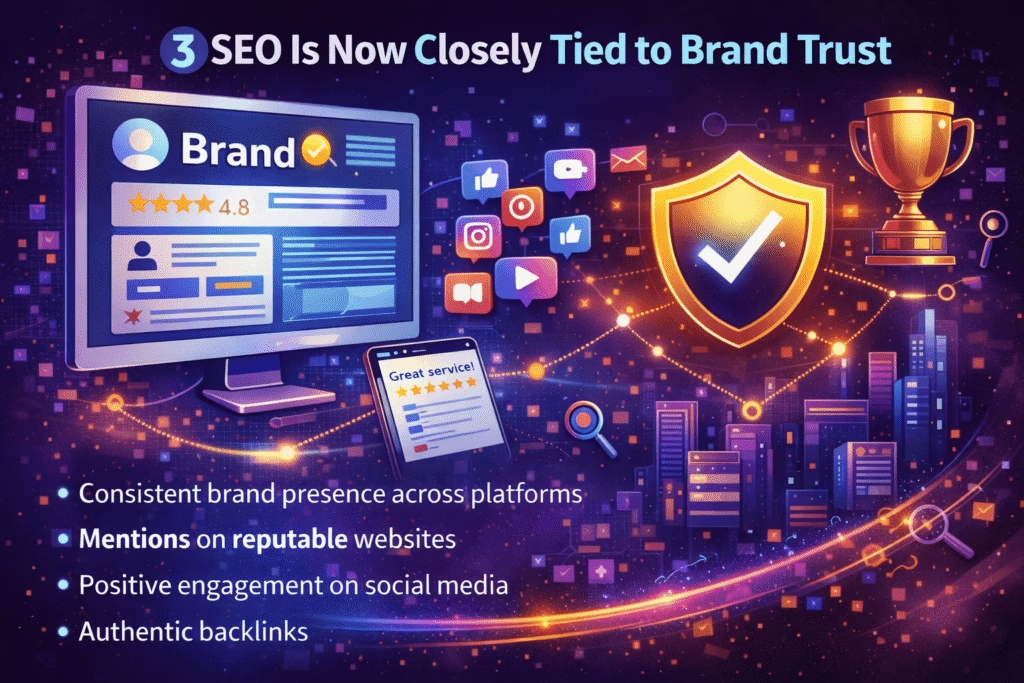
3️⃣ SEO Is Now Closely Tied to Brand Trust
In 2026, SEO performance is heavily influenced by brand credibility.
Search engines and AI systems increasingly rely on trust signals to decide which sources to surface. This includes how often a brand is mentioned, where it’s mentioned, and how people interact with it.
Trust signals that influence visibility
- Consistent brand presence across platforms
- Mentions on reputable websites
- Positive engagement on social media
- Authentic backlinks
- Real user interaction
A smaller brand with strong trust signals can outperform a larger brand with weak credibility.
Key takeaway
SEO is no longer separate from branding.
Visibility is earned through reputation, consistency, and reliability.
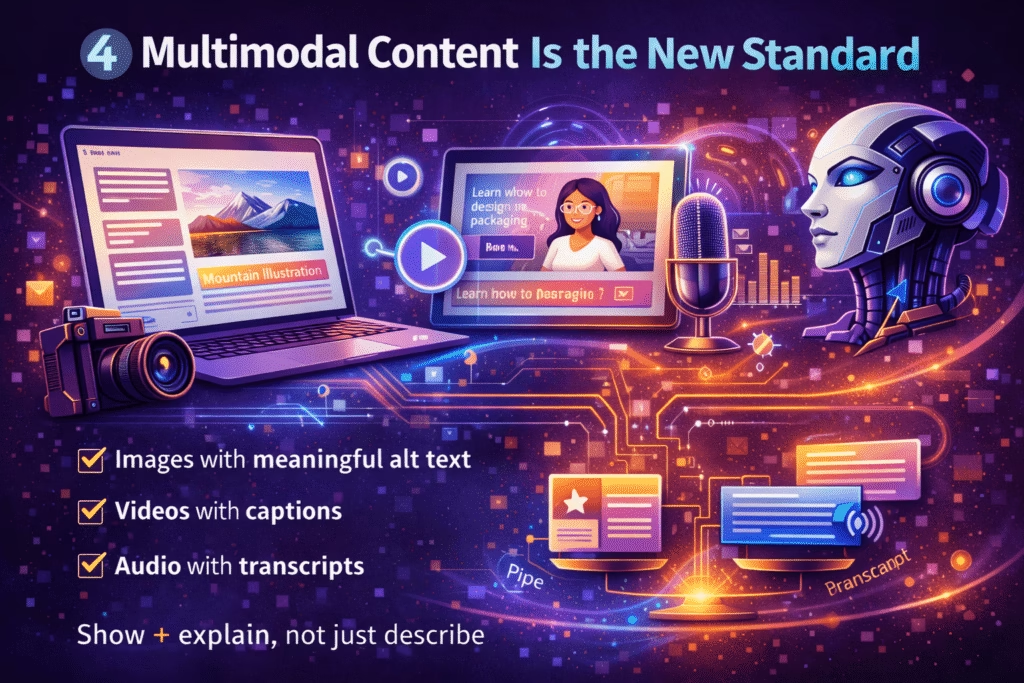
4️⃣ Multimodal Content Is the New Standard
Text-only content is no longer enough.
Modern search systems analyze and retrieve information from multiple formats. Images, videos, audio, and visual explanations all contribute to how content is indexed and reused.
What multimodal content includes
- Images with meaningful alt text
- Videos with captions or transcripts
- Audio content with written summaries
- Visual diagrams, mockups, and examples
AI systems often prefer content that shows and explains, not just describes.
Why this matters
Multimodal content:
- Increases engagement
- Improves comprehension
- Extends content lifespan
- Expands visibility across platforms
In 2026, strong visuals are not just design assets — they are SEO assets.
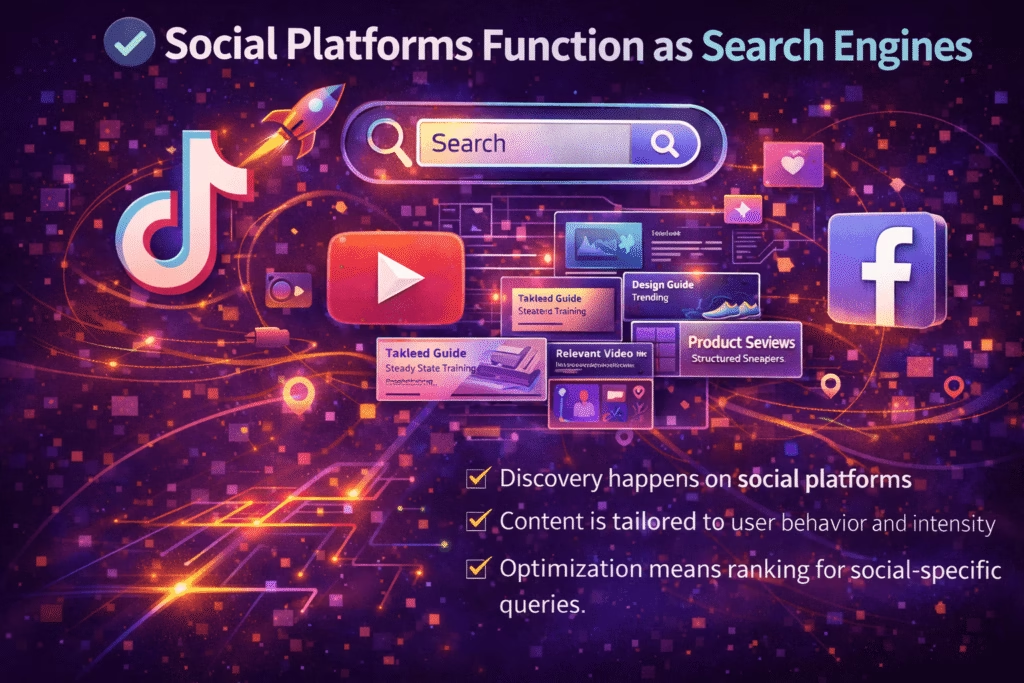
5️⃣ Social Platforms Function as Search Engines
Search behavior has shifted.
People increasingly look for answers on platforms like YouTube, TikTok, LinkedIn, Instagram, and Reddit. These platforms are now major discovery channels — and AI systems monitor them closely.
What this means for SEO
- Social content influences brand authority
- Helpful posts strengthen visibility signals
- Engagement matters more than follower count
AI-powered systems use social platforms to:
- Identify subject-matter experts
- Track emerging topics
- Validate trust and relevance
Strategic implication
Content should be designed to travel across platforms. One idea can exist as:
- A blog post
- A short video
- A carousel
- A discussion post
SEO in 2026 is multi-platform by default.
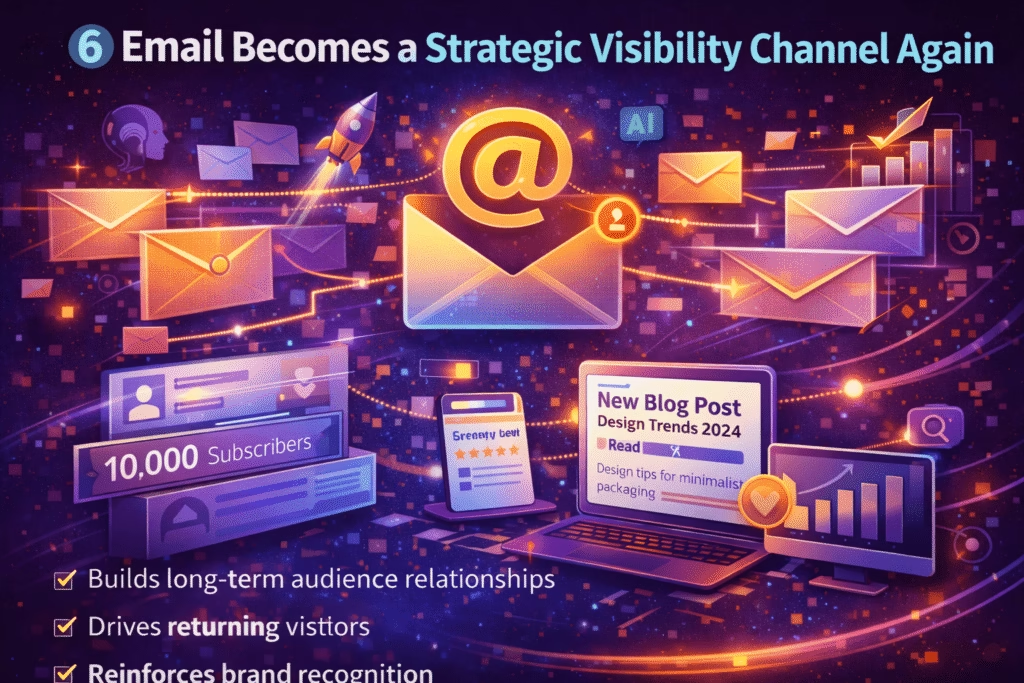
6️⃣ Email Becomes a Strategic Visibility Channel Again
Email marketing is quietly regaining importance.
As search platforms fragment and algorithms change, email remains one of the few channels brands fully control. Direct engagement signals are increasingly valuable to AI-driven systems.
Why email matters
- Builds long-term audience relationships
- Drives returning visitors
- Reinforces brand recognition
- Signals consistent engagement
Email doesn’t replace SEO — it strengthens it.
In 2026, visibility isn’t just about attracting new users. It’s about maintaining meaningful connections.
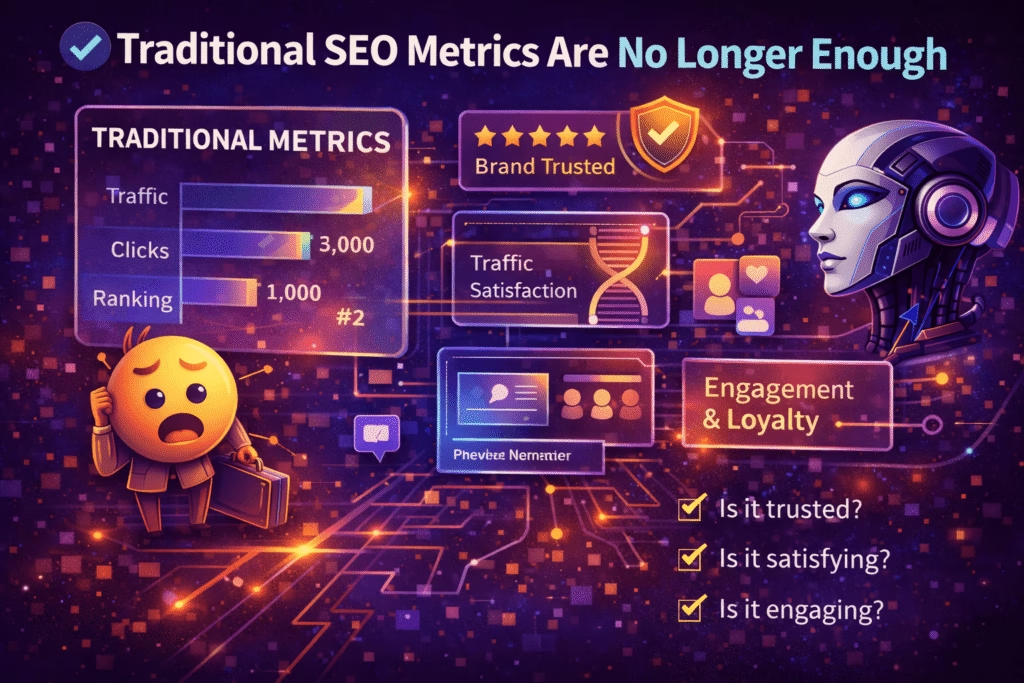
7️⃣ Traditional SEO Metrics Are No Longer Enough
Classic SEO metrics like rankings and page views provide only part of the picture.
Modern visibility requires broader measurement.
Metrics that matter more in 2026
- Brand mentions across platforms
- Content reuse in AI-generated answers
- Engagement quality (time spent, saves, shares)
- Returning visitors
- Content longevity
A single well-structured, evergreen article can outperform dozens of short-lived posts.
SEO success is shifting from volume to value.
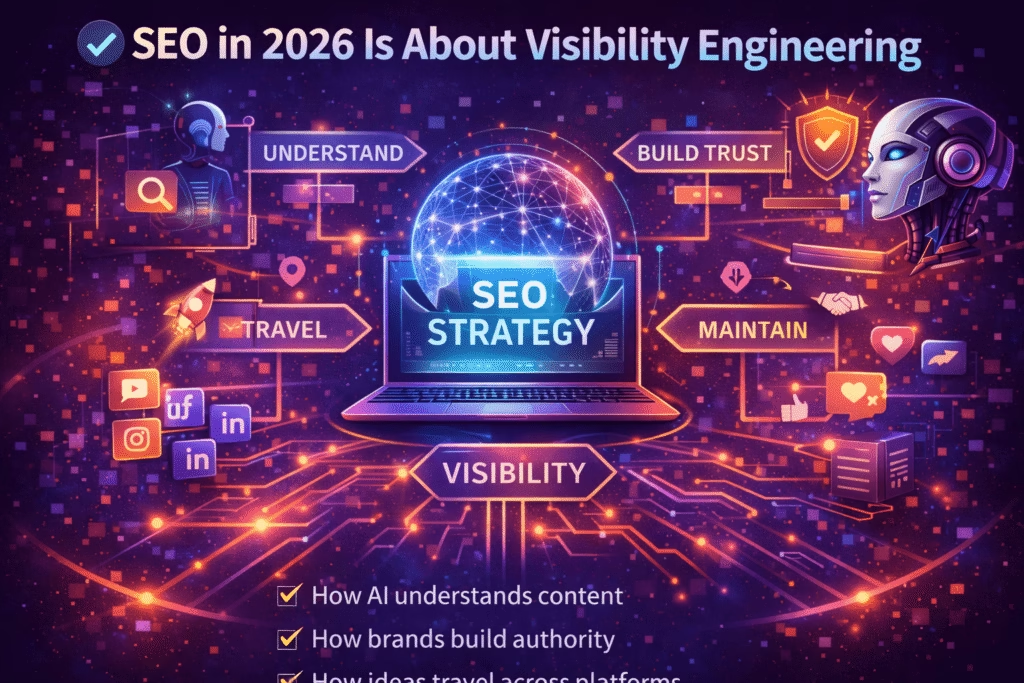
8️⃣ SEO in 2026 Is About Visibility Engineering
The role of SEO has fundamentally evolved.
Optimization alone is no longer sufficient. Today’s SEO strategy involves designing how content is discovered, interpreted, and trusted across systems.
Modern SEO focuses on:
- How AI understands content
- How brands build authority
- How ideas travel across platforms
- How trust is maintained over time
SEO is no longer a technical checklist.
It’s a long-term visibility strategy.
🚀 Final Thoughts: SEO Is Smarter, Not Harder
SEO in 2026 rewards brands that focus on:
- Clear communication
- Authentic expertise
- Strong visual storytelling
- Consistent presence across platforms
The goal is no longer to outsmart algorithms — it’s to serve users better while being understandable to machines.
As search continues to evolve, one principle remains constant:
Content that is helpful, credible, and clear will always find its audience.